



Japan Flag History and Meaning: From Rising Sun to Today’s Hinomaru
You see the Japan flag in all kinds of places. It shows up at international sports events, hangs outside embassies, brightens cultural festivals, and appears in travel photos from visitors around the world. Yet people often blur the line between the simple red sun disc on white and the sunburst-style design with rays.
By understanding the full story of the Japan flag, you can speak about it accurately and display it respectfully. In this blog, you’ll get the Hinomaru basics, a tight Japan flag history timeline, what the colors mean, and a clear Hinomaru Vs. Rising Sun comparison.
Seeing The Japan Flag Clearly: Names, Design, And Origins
The Japan flag is known as the Hinomaru or Nisshōki, names that reflect its simple sun-circle design. Japan is often called the “Land of the Rising Sun,” and the flag reflects that image with quiet dignity.
The design is a clean white field with a bold red circle centered. The red disc is the focal point, set against the white field for clarity and contrast. The circle represents the sun, a symbol closely tied to Japan’s identity and history.
People sometimes confuse the term “rising sun” with the national flag, but it can also refer to a separate design featuring rays extending outward. Knowing the difference helps when you’re describing the flag or choosing the right one to display.
Japan Flag Meaning: What The Sun Circle Has Long Stood For
The Japan flag meaning centers on the red disc, commonly understood as the sun at the horizon. Often tied to Japan’s long-standing “Land of the Rising Sun” identity, it carries cultural weight without needing words.
The sun motif appears across Japanese history, including in family crests and sacred art. In Shinto tradition, it is often connected to Amaterasu, the sun goddess, which adds another layer of meaning for many people. Just as important, the design’s strength is its restraint.
The Japan flag colors also do practical work. The strong red-on-white contrast stays easy to recognize from a distance, whether in a crowd or on the water. That uncluttered design is part of what makes it feel timeless.
- The white field is often interpreted as purity or openness
- The red disc is associated with vitality and the sun.
When it is flown, it carries that quiet strength.
Japan Flag History: The Moments That Shaped The Hinomaru
Japan flag history stretches from long-used sun imagery to modern law, with a few key moments that explain how the Hinomaru became the national standard.
Early Sun Symbols Behind Today’s Japan Flag
Sun imagery appears across early Japanese history, including on banners and in maritime use, where clear symbols mattered. It also shows up in family crests and sacred art, which helps explain why the sun disc felt familiar long before official rules existed.
1800s: Japan Flag Took Shape At Sea And In State
As Japan’s contact with the wider world expanded in the 1800s, recognizable flags became especially important for ships in international waters. By 1870, official specifications were established, supporting consistent use in government settings and on vessels.
1999: Japan Flag Becomes Law In Modern Japan
In 1999, Japan passed a law that formally recognized the Hinomaru as the national flag, alongside the national anthem, after long-standing customary use. That legal clarity helped standardize how the flag is treated in schools, public ceremonies, and official settings, while still reflecting deep tradition.
Taken together, these moments explain why the Hinomaru feels both timeless and official. With that timeline in mind, it becomes much easier to understand the most common mix-up, the Hinomaru versus the Rising Sun design.
Japan Flag Or Rising Sun? Understanding The Difference
We see this confusion a lot when people talk about the Japan flag. The key is separating the Hinomaru from the Rising Sun design. The Hinomaru is Japan’s national flag, marked by a red sun disc centered on a white field.
The Rising Sun design features red rays extending outward from the sun disc, and it is often associated with naval and military history. In some communities, it is viewed as sensitive today because of those historical associations, so it should be handled with care.
Here’s the simple rule of thumb. If the design has rays, it is not the standard Japan flag that most people picture. This distinction helps you describe the flag accurately and choose the right design to display.
Japan Flag Colors And Proportions: Why The Design Feels Balanced
With the Japan flag, the details matter. The right proportions and colors keep the Hinomaru looking clean, balanced, and instantly recognizable.
- Official Ratio: Japan flag follows a 2:3 height-to-width ratio, which gives it a balanced rectangular shape
- Disc Placement and Size: The red disc sits at the center. Its diameter is 3/5th of the flag’s height, bold enough to read clearly while leaving generous white space around it.
- Color Language: The palette is intentionally simple with a white field and a deep red sun disc. The white is often interpreted as openness or purity, while the red is commonly associated with vitality and the sun.
When the proportions and colors are right, the flag looks correct at a glance and honors the design’s intent. If you want help choosing the right size for your display, we’re happy to help.
Bring The Japan Flag Into Your Own Space

A Japan flag looks its best when it fits your space and the way you plan to fly it. Start with size, then choose the finish that matches your setup so the Japan flag colors read clean and correct.
Choose Japan Flag Size That Fits Your Space
The right flag size helps the Japan flag sit well in your space without feeling too small or overpowering. A 3x5 ft flag is a reliable choice for most home displays, wall decor, and indoor setups. For in-ground poles, larger sizes such as 4x6 ft or 5x8 ft often read better from a distance and feel in proportion to the pole height.
Kengla’s Japan flag listing includes several size options so you can match the flag to common home, office, and display needs without guesswork.
Match Japan Flag Finishes To How You Plan To Fly It
Choosing the right Japan flag for your space starts with understanding how size, finish, and setup work together.
- Heading and Grommets: The most versatile choice for everyday outdoor use.
- Polesleeve: Best for indoor displays and parades.
- Polesleeve With Fringe: A ceremonial finish for more formal indoor displays, and not recommended for everyday outdoor use.
When flag, finish, and accessories are in sync, your Japan flag reads clearly, holds up to real use, and reflects the respect you intend to show.


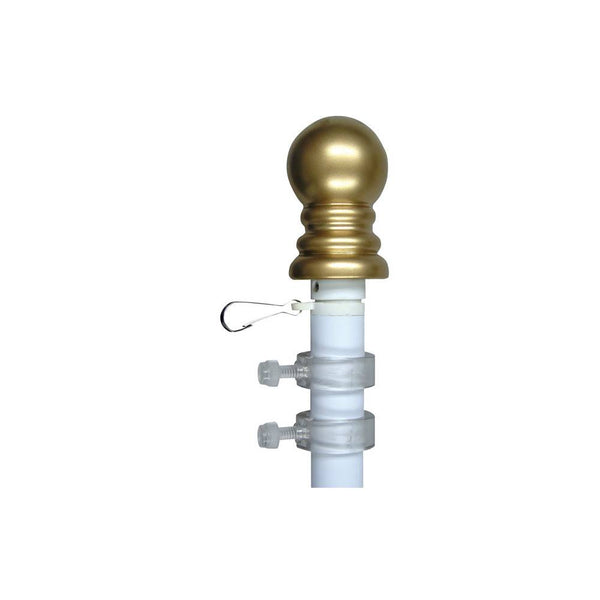
Pair the Japan Flag With Accessories That Support It Well
Pair the flag with accessories that keep it secure and present it with care.
- Outdoor setups typically use a flagpole, a bracket, and mounting hardware.
- Indoor displays often use a floor stand and pole accessories.
- For parades and ceremonies, look for parade belts, carrying cases, and gloves.
When you choose a true Hinomaru in the right size, finish, and setup for your space, the Japan flag does what it is meant to do: stand out clearly and carry quiet respect.
If you’re deciding between sizes or finishes, we’re happy to help you match the flag to your space and setup. Start with the product page, then reach out to us if you want a quick recommendation.
Settle On The Right Japan Flag For You

Choose a Japan flag with confidence by starting with the true Hinomaru design, then selecting a size and finish that fits your space and how you plan to display it. For everyday outdoor use, a Heading & Grommets finish is the standard choice. Kengla’s Japan Flag is made in the U.S.A. with high-quality, all-weather nylon that is durable, fast-drying, and solar-resistant.
For indoor displays, parades, and ceremonial settings, choose a Polesleeve. For a more formal presentation indoors, a Polesleeve with Fringe adds a traditional, ceremonial look. If you want a smaller footprint, a 2x3 ft flag fits well in compact outdoor setups or tighter wall spaces.
At Kengla, we keep it straightforward. Choose a Japan flag in the right size and finish, then pair it with display accessories that suit your space.
Shop Kengla Flag Co.’s Japan Flag, and tell us how you’ll fly it. We’re happy to help.