
How to Choose a Custom Flag Maker: Materials, Print Quality, and Outdoor Durability
A custom flag can look perfect on your screen, with bright colors, sharp lines, and a clean layout. Then it arrives. The fabric feels thin, and the design looks dull from the street. That gap matters.
Choosing the right custom flag maker is about more than the mockup. Materials, printing, and construction decide whether your flag flies proudly for seasons or fades and frays fast.
In this blog, we will break it down step by step, covering which fabrics fit your use, how to judge print quality before ordering, and what durability details separate a one-event flag from a long-term outdoor performer.
Start With Where Your Custom Flag Will Live
Before you compare vendors, pause and ask one question: Where will this flag live? This choice shapes everything that follows.
- Outdoor, Daily Flying: You will need a flag that can handle sun, wind, and rain, because durability often matters more than price or speed.
- Short-Term Events or Promotions: Parades, grand openings, and rallies often fall in this category. Here, cost and turnaround time may matter more than long-term wear.
- Indoor or Ceremonial Display: Focus on appearance and drape. The flag should look sharp and hang cleanly in the space.
When you skip this step, problems follow. You may overpay for strength you do not need, or choose a flag that is not built for the conditions. A reliable custom flag maker will ask how and where you plan to use the flag before recommending materials or printing. If they do not, that is worth noticing, because those details shape the result.
That is how we approach custom requests at Kengla, because the setting drives the fabric, finish, and display setup.
Custom Flag Materials That Fit Your Use
Materials are the backbone of your flag. Appearance comes second. One simple question can save you time and guesswork: “Which fabric do you recommend for my location and pole setup?”
Most options fall into three broad categories:
- Lightweight Outdoor Fabrics: These move easily and dry quickly. They work well for everyday flying in calmer conditions.
- Heavier, High-Strength Fabrics: Built for windier areas and taller poles. They may sacrifice some movement in exchange for added strength.
- Indoor Display Fabrics: Chosen for form and appearance. They are not meant for long-term outdoor exposure.
Seeing how a custom flag maker matches material to exposure makes it easier to compare options with confidence. At Kengla, we also carry flagpoles and display accessories, so the fabric choice and the way it will fly are planned together.
Custom Flag Printing That Reads From Far Away
Print quality determines whether your message reads clearly or gets lost. Before you order, ask about the proof process and make it part of your standard checklist.
Here are three smart questions to ask before custom flag printing begins:
- Request a digital proof.
- Confirm that your approval is required before production.
- Ask how colors and contrast are adjusted for outdoor visibility.
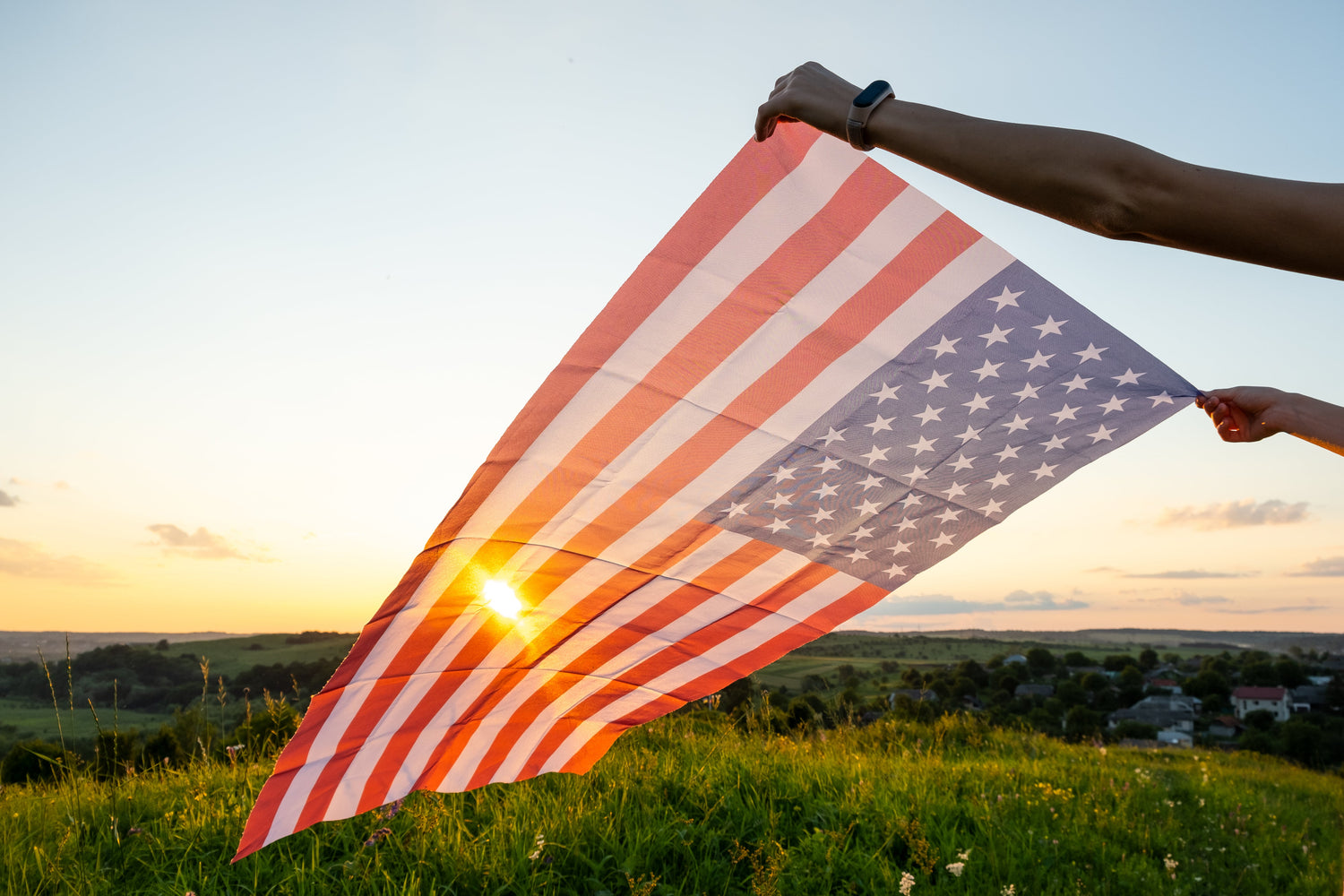
Flags behave differently from banners or posters because light passes through the fabric. That can change how colors appear once your custom flag is flying.
This is the two-sided reality check. Ask how the maker keeps the reverse side from looking washed out when the flag is backlit. Some vendors evaluate ink penetration so the reverse side stays closer in color to the front.
Watch for red flags:
- “Bright colors guaranteed” with no proof step.
- No clear explanation of how logos or text are prepared for fabric.
- Reviews that mention dull prints or muddy graphics.
A good custom flag printing process sets expectations early, explains limits, and prevents surprises. A thoughtful custom flag maker will point out issues before printing begins. That extra step protects your design and helps your flag read clearly from a distance.
Outdoor Durability Starts With Construction

When a flag fails outdoors, the trouble usually begins at the edges, not the center. Wind tugs at the fly end, sun weakens fibers, and rain adds weight, so stress builds in the same few areas over time. That is why construction matters just as much as fabric when you plan to fly outdoors.
Look for construction details that protect the flag where stress concentrates:
- Reinforced edges where wind hits hardest.
- A secure attachment method where the flag meets the pole.
- Consistent stitching, since loose or uneven stitches are often an early sign of fraying.
A good custom flag maker will walk you through these details, especially if you are ordering personalized flags for outdoor use. They should ask about pole height and wind exposure, then recommend reinforcements when they are appropriate. That guidance matters because it helps your flag look good on day one and hold up the flag through the season ahead.
At Kengla, we put the practical details in plain view, including construction and attachment features, and we will talk through wind exposure and pole setup if you need a second set of eyes. Clear guidance up front is often what prevents disappointment later.
How to Vet a Custom Flag Maker
Not all custom flag makers put flags at the center of their work, and that difference shows up in the result. Some vendors treat flags as one product among many. Others build their reputation around flags as the core offering. You want the second kind.
Start with the basics. Request photos of past work and prioritize outdoor photos when possible. Natural light is often the most honest test of color and contrast. If possible, ask for a fabric sample. Handling the material in person can change the decision quickly.
Then check reviews, and look beyond speed and price. Scan for notes about fading, stitching, and how concerns were handled. Those details tell you far more than a shipping estimate.
A quick call helps, too. A good maker welcomes questions and can explain their process in plain language. That openness is usually a strong sign.
Custom Flag Pricing, Timelines, and Fixes
The price is more than the number in the quote. The details determine the true cost. Ask about artwork setup and what may trigger an added charge. Some designs require additional preparation, while others do not.
- Ask how many proof revisions are included as part of the custom flag printing process. That clarity prevents surprises later.
- Timelines matter, too. Ask when production begins and when shipping is expected to start. Rush work often costs more, so planning early can help.
- Then ask the question that protects you: What happens if your custom flag arrives and the result is not what you approved in the proof?
Good vendors answer clearly and explain their remake or correction policy. A lower-priced flag can cost more over time if fading or fraying forces an early reorder. Clarity here protects your budget and your peace of mind.
Checklist to Compare Custom Flag Makers
When options start to blur together, this checklist keeps the decision grounded.
- First, confirm the use case. Daily outdoor flying requires different considerations than a one-day event or an indoor display.
- Next, check the fabric guidance. Are the recommendations specific to your setting, or one-size-fits-all?
- Then review the proof process. For custom flag printing, your approval should be required before production begins.
- Ask how the print is expected to look on both sides, since light passing through the fabric can alter what you see.
- Confirm construction standards for personalized flags, including reinforced edges, secure attachments, and consistent stitching.
- Finally, review pricing and issue resolution. Look for transparent fees, clear timelines, and a defined policy if something seems off.
If a custom flag maker checks every box, you can move forward with much more confidence.
Personalized Flags You’ll Be Proud to Fly

A custom flag should look right when it arrives and still look right seasons later. The difference is rarely the artwork alone. It is the choices behind it: the material for your setting, the print clarity you can read from a distance, and the construction details that carry the load outdoors.
When you vet those pieces up front, you avoid the most common disappointments, and you get a flag that holds its color, shape, and purpose over time.
If you are ready to price and spec a custom piece with American-made quality, durability, and service, you can request a custom quote from us.
Request a Custom Flag Quote through Kengla, and we will help you get the details right.


